Creating a home office that is both cozy and productive can transform your work-from-home experience. Whether you’re working full-time remotely or just need a dedicated space to manage tasks, your environment plays a huge role in how effectively you work and how comfortable you feel during long hours. In this post, we’ll explore practical tips to help you set up a home office that supports focus, creativity, and well-being.
Why a Cozy and Productive Workspace Matters
A well-designed workspace does more than just house your computer and paperwork. It helps reduce distractions, enhances motivation, and can improve your overall mood. When your office feels inviting, you are more likely to look forward to working and maintain a healthy work-life balance.
—
Choosing the Right Location
Find a Quiet Spot
Select a place in your home where noise and foot traffic are minimal. This could be a spare room, a corner in your bedroom, or even a nook in the living room. The key is to minimize interruptions.
Consider Natural Light
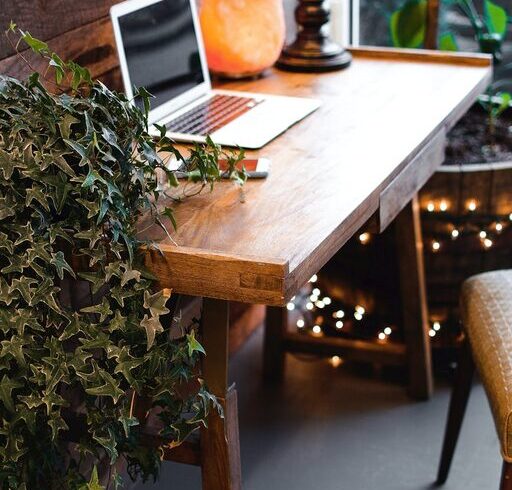
Position your desk near a window if possible. Natural light can boost energy and reduce eye strain. If natural light is limited, invest in good artificial lighting that mimics daylight.
—
Setting Up Your Desk and Chair
Ergonomic Furniture
Choose a chair that offers good lumbar support and a desk at a comfortable height. Ergonomics are crucial to prevent discomfort and injuries like back pain.
Desk Organization
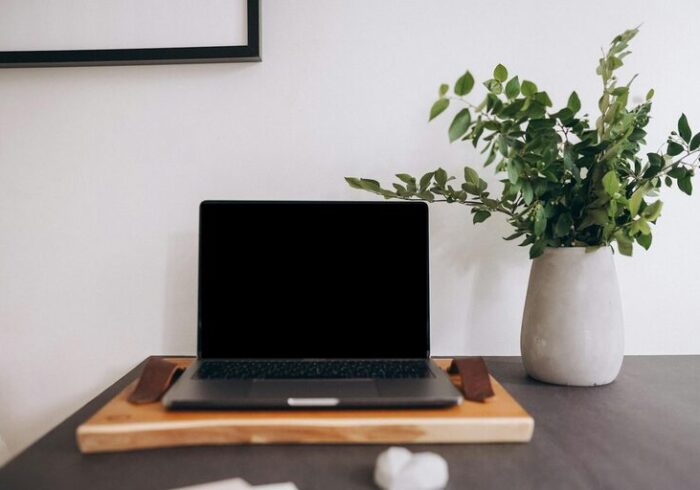
Keep your desk tidy with organizers, drawers, or shelves. Only keep essentials on the surface to avoid clutter. A clean space helps maintain focus.
—
Adding Cozy Elements
Comfortable Textiles
Add a soft rug, cozy throw blanket, or cushions to your chair for added comfort. These touches create a warm atmosphere that makes you feel at ease.
Personal Touches
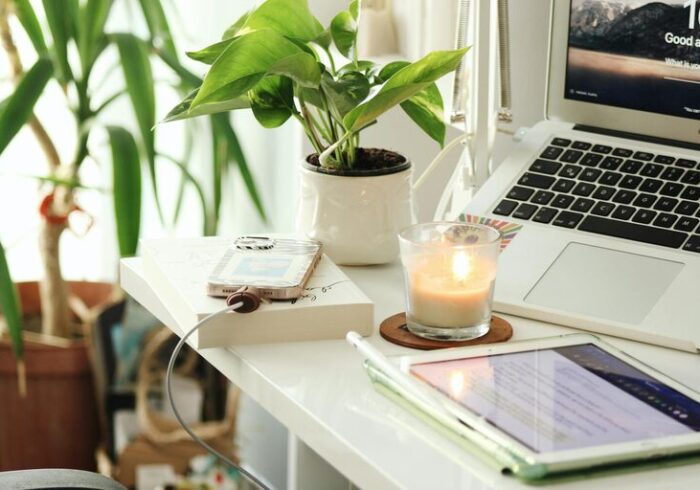
Decorate your office with items that inspire you: photos, artwork, plants, or motivational quotes. Surrounding yourself with positive elements can enhance creativity.
—
Managing Technology and Gadgets
Efficient Setup
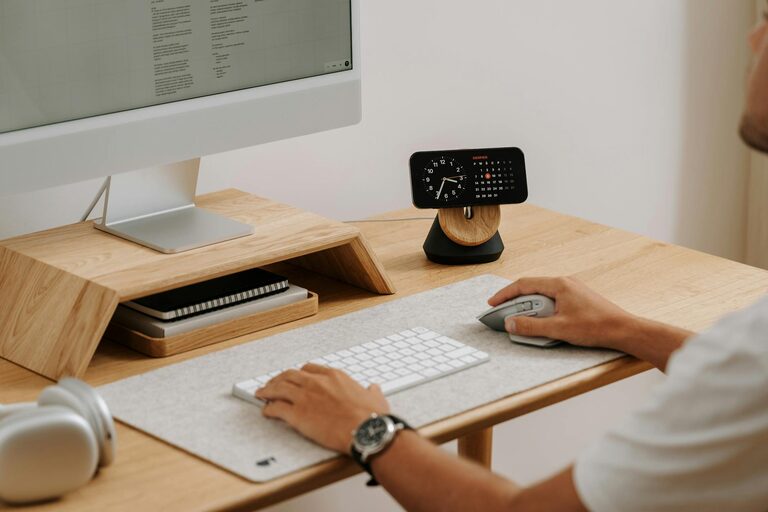
Arrange your computer, keyboard, mouse, and other gadgets so they’re easy to reach. Consider wireless devices to reduce cable clutter.
Good Internet Connection
A stable and fast internet connection is essential for productivity, especially if you attend video calls or upload large files.
Cable Management
Use clips, sleeves, or under-desk trays to keep cords organized and out of sight. This reduces distractions and potential hazards.
—
Lighting Tips for Comfort and Focus
Good lighting reduces eye strain and maintains alertness throughout the day.
– Task Lighting: Use desk lamps with adjustable brightness to illuminate your work area.
– Avoid Glare: Position screens to avoid reflected light or glare from windows.
– Warm vs Cool Light: Cooler light (bluish tone) may improve focus, while warmer light (yellowish tone) creates a relaxing mood—adjust based on your preference and time of day.
—
Incorporating Storage Solutions
Keep your office organized and paperwork accessible with smart storage.
– Use shelves for books and supplies.
– File cabinets or boxes help manage documents.
– Baskets and bins can store smaller items neatly.
When everything has its place, it’s easier to maintain a clutter-free environment.
—
Establishing Boundaries and Routine
Define Work Hours
Set clear work hours and communicate them to household members if needed. This helps separate work from personal time.
Create a Morning Routine
Start your day with a routine that prepares you mentally and physically for work. This might include light stretching, coffee, or reviewing your daily plan.
Take Breaks
Incorporate short breaks to move around, stretch, and rest your eyes. This boosts productivity and reduces fatigue.
—
Enhancing Air Quality and Comfort
Good ventilation and clean air improve concentration.
– Open windows regularly if possible.
– Use an air purifier or add indoor plants that improve air quality.
– Maintain a comfortable room temperature—too hot or too cold can be distracting.
—
Final Thoughts
Designing a home office that is both cozy and productive doesn’t require spending a lot of money or drastic renovations. Thoughtful choices about location, furniture, lighting, and organization can make your workspace a place you enjoy spending time. Remember, the best setup is one that suits your personal work style and needs. Start small and adjust as you go, creating a space that supports your success and well-being.